
When Capacity Tightens, Execution Wins.
Blitz Week: May 12-14, 2026
Service protection starts before disruption begins.
Verified Before Pickup. Tracked by Truck
Wait, and you can expect:
20 - 100%
Spot rate premium if you wait until day of
3 Days
Peak inspection window May 12 -14
5-10%
Premium to book core ahead vs. spot chaos
What Roadcheck actually does to freight markets
Most companies prepare for inspections. Few prepare for what inspections do to their network.
Capacity compression
Drivers take time off. Carrier participation shifts unevenly. Effective capacity shrinks even without violations.
Routing guide instability
Guides built for stable conditions become unreliable. Carrier compliance assumptions break under inspection pressure.
Spot market volatility
Booking ahead costs 5–10% more. Waiting for day-of spot can cost 20–100% more. Reactive procurement destroys margin.
Shipment prioritization
Not every load should move the same way during disruption. Critical freight must be separated and protected.
How Synchro Helps
Synchro protects service through proactive execution, not reactive scrambling.
Carrier conversations: who's driving, by lane
Backup lane planning for high-risk carrier combos
Proactive shipper communication throughout Blitz Week
VIN-based tracking via ELD - starts 6 hrs before pickup, not tied to a driver’s phone
Critical shipment prioritization and protection
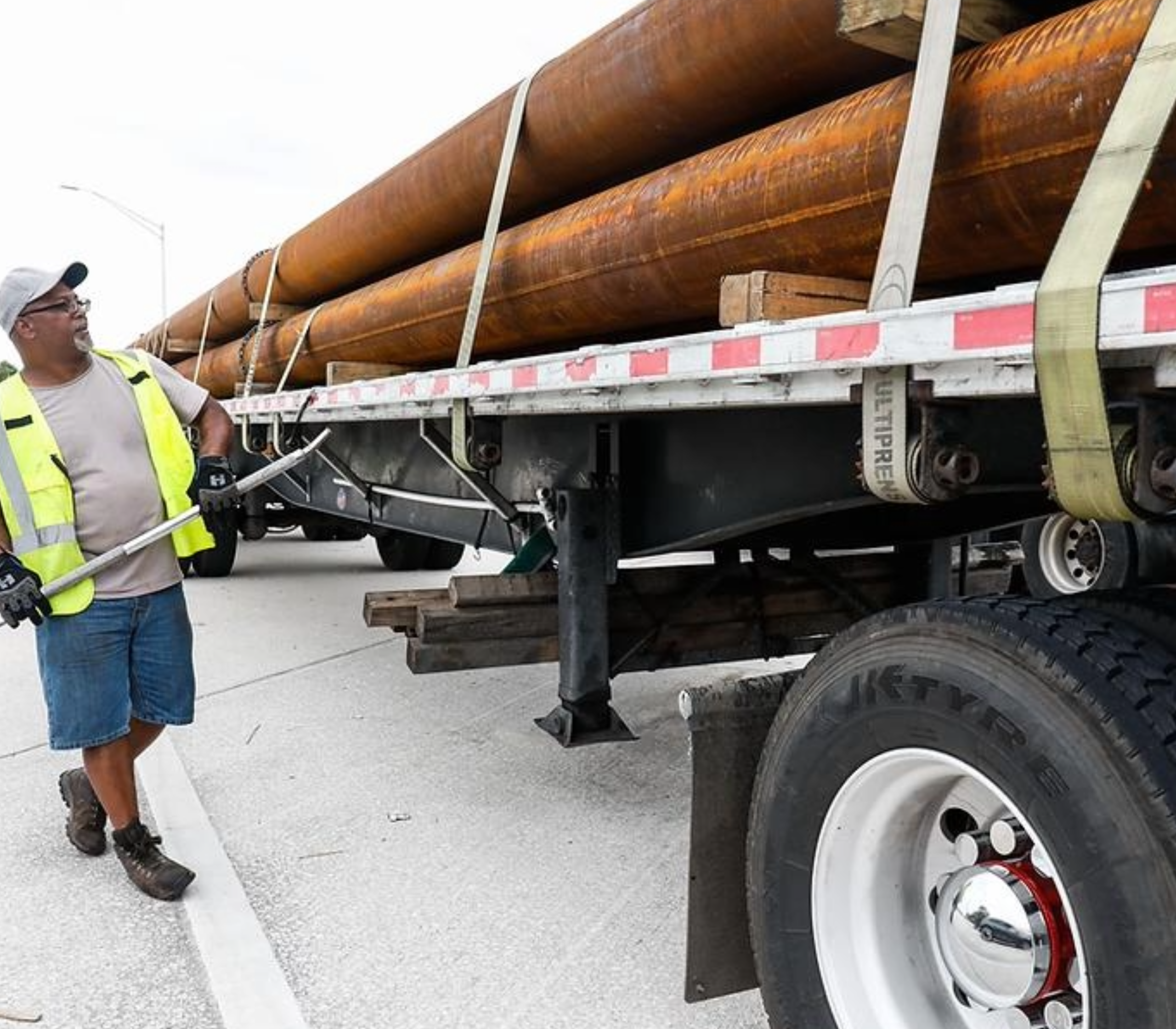
Verify cargo securement at pickup - not assumed from booking
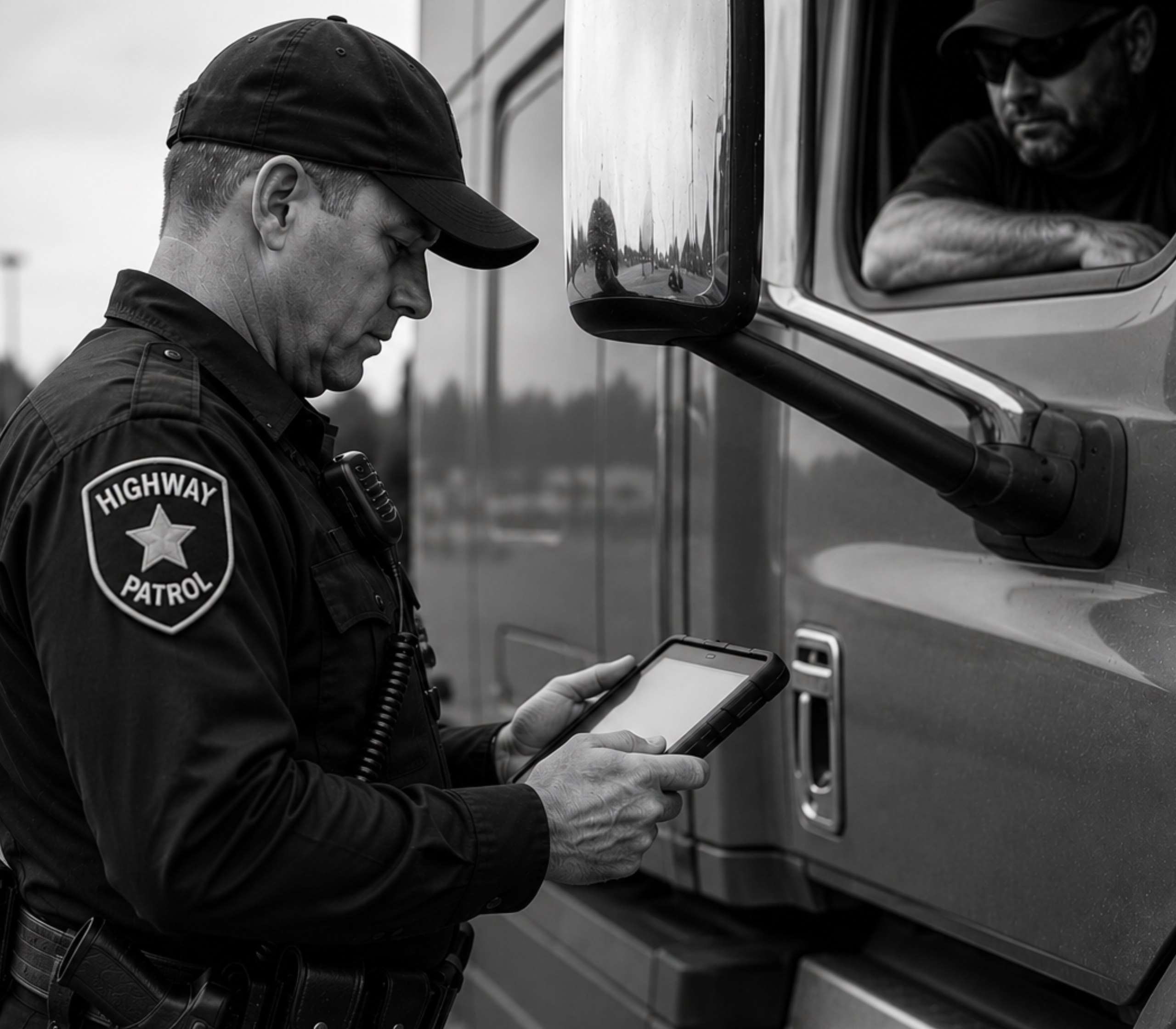
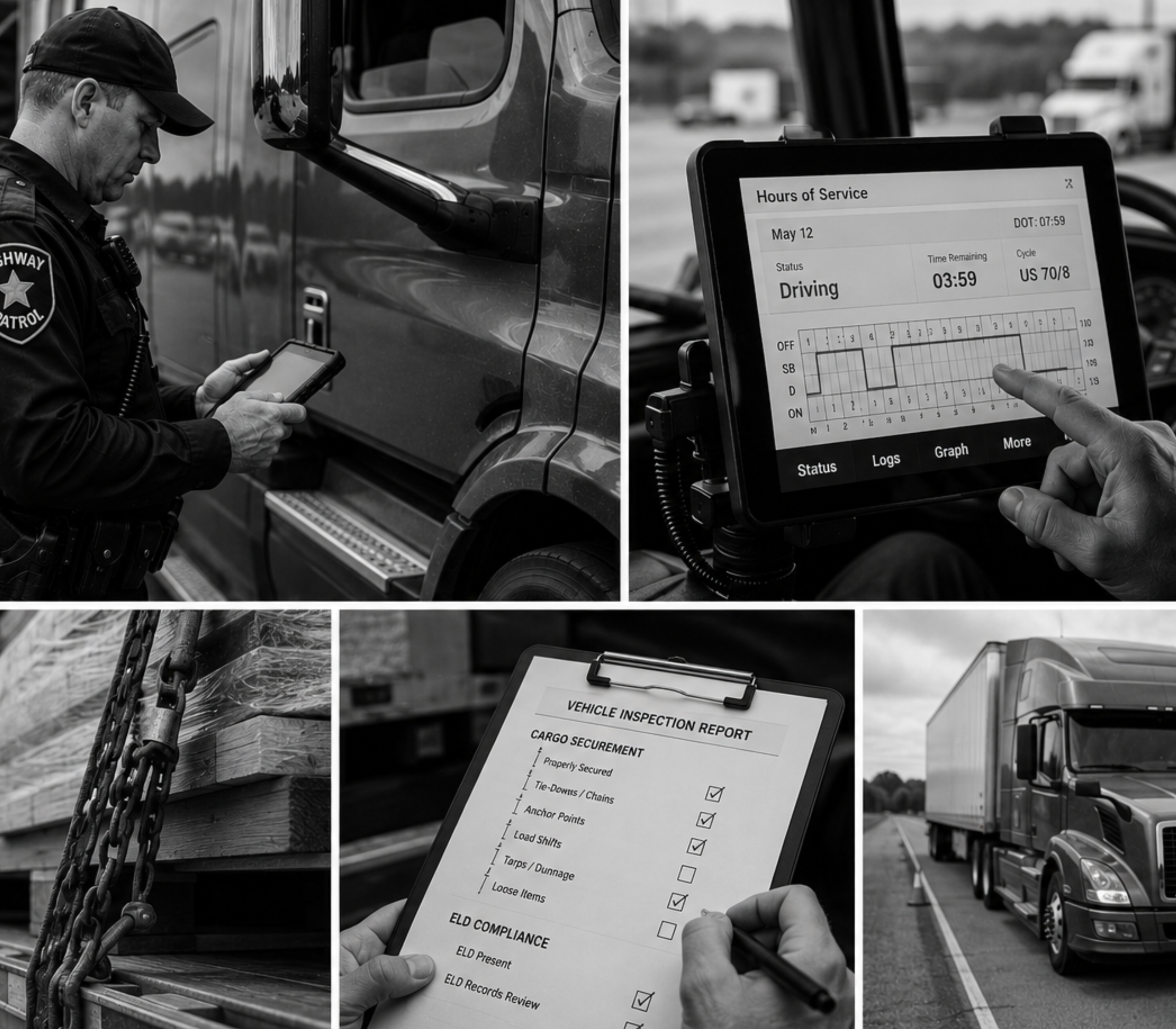
What inspectors are targeting this year
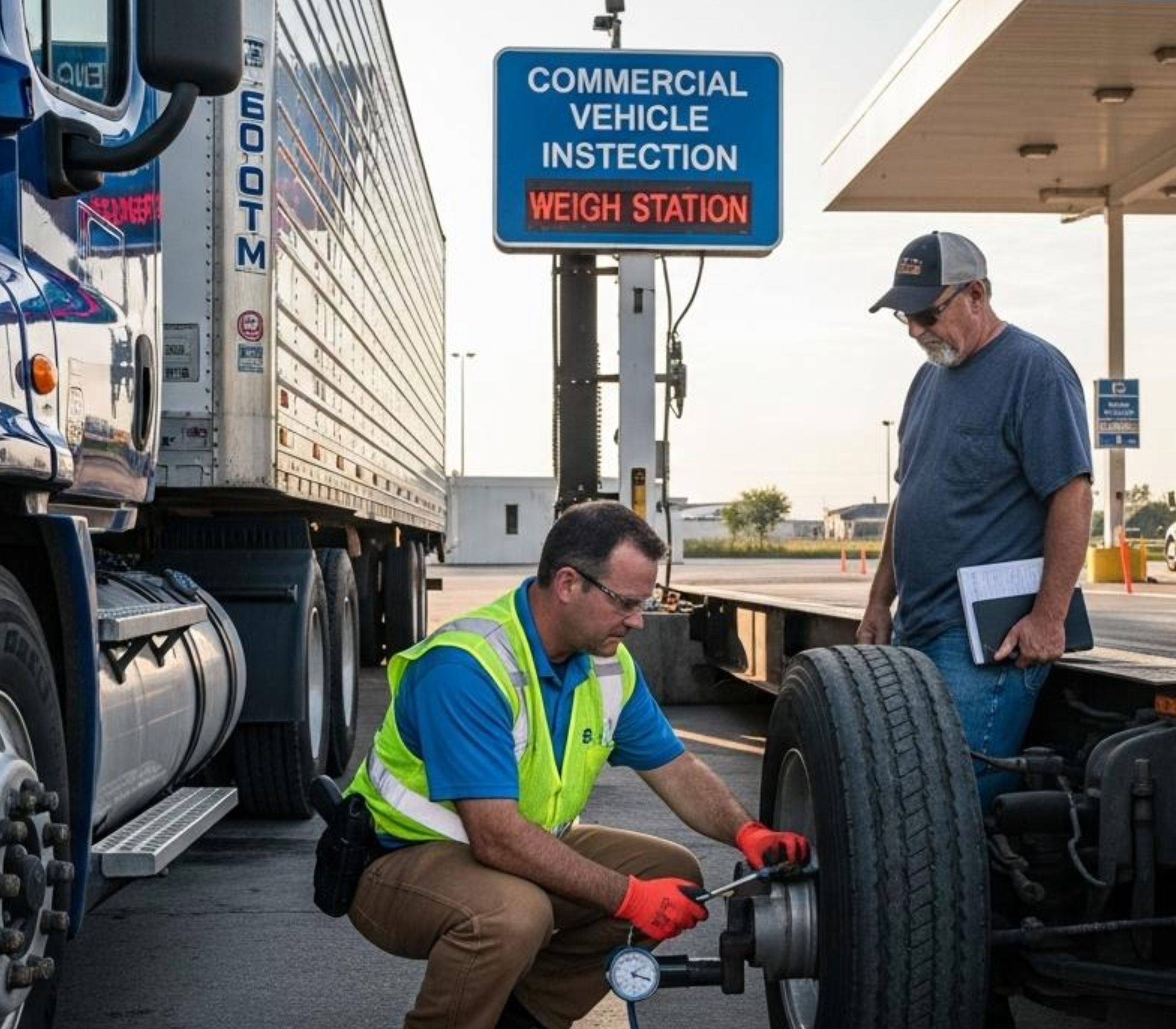
Strong operations are already inspection-ready. Here is what inspectors are looking for in 2026.


Before Blitz Week
- Talk with core carriers on driver availability
- Move critical orders earlier to beat the crunch
- Flag production-sensitive lanes for capacity protection
- Reduce spot reliance by booking core capacity now
- Verify cargo securement at pickup, not at inspection
Build your service protection plan– Connect with our Synchro team

About Roadcheck & freight execution
What does Roadcheck Blitz Week mean for truckload execution?
Roadcheck Blitz Week creates compounding pressure on truckload execution. Drivers take time off or reroute away from inspection corridors, which tightens available capacity even on lanes not directly affected by inspections. Inspection delays increase transit time variability across all lanes. Cargo securement violations on loads that are otherwise compliant can create unexpected delays mid-transit. For truckload shippers, the execution risk during Blitz Week is not just that inspections slow things down. It is that small operational gaps, the ones your team works around in normal conditions, become service failures when the market is compressed and backup options are limited.
Why does cargo securement matter so much during Roadcheck?
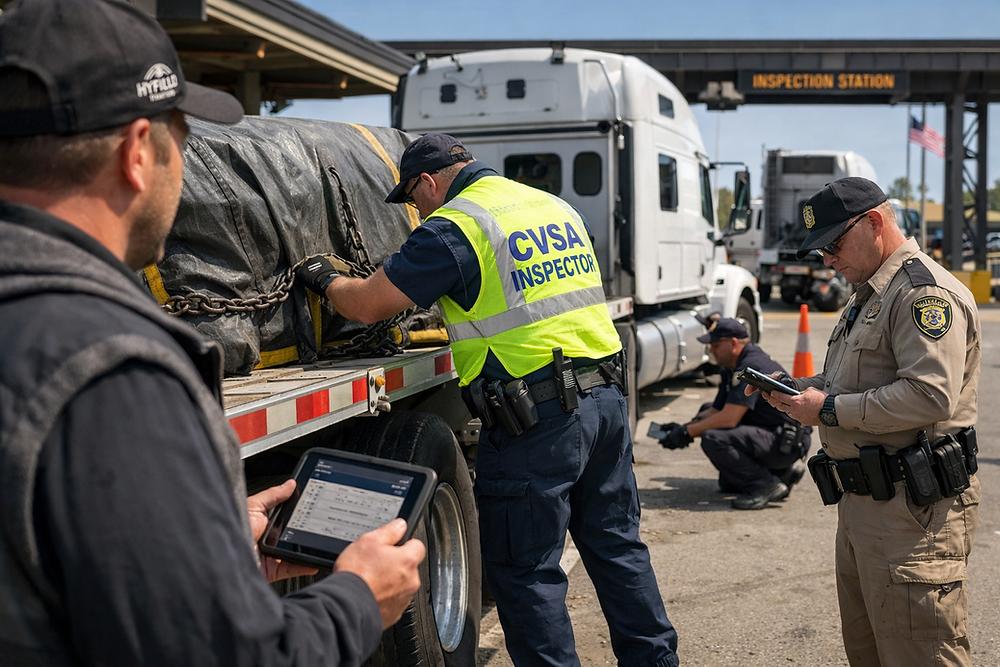
Cargo securement is one of the primary inspection focus areas in 2026, and execution responsibility begins at the shipper’s dock, not at the inspection station. A sealed trailer is not automatically a secured trailer. Inspectors check load integrity, tie-down compliance, and securement documentation. These are issues that originate in how a load was packed and prepared, not just how the driver operated. The freight industry phrase that applies here is direct: sealed does not mean safe. Verification at pickup is the first line of service protection, because a cargo securement violation discovered at an inspection station creates a delay that no amount of tracking visibility can recover.
What happens if my primary carrier gets pulled for inspection mid-week?
For most shippers without proactive carrier planning, the answer is reactive scrambling. That means calling brokers for spot capacity at elevated rates, communicating delays to customers after the fact, and absorbing both the cost premium and the service hit. For Synchrogistics customers, this scenario is addressed before the week begins. We identify backup lane options for high-risk carrier and lane combinations in advance, maintain ongoing visibility into carrier participation levels, and communicate proactively with shippers so decisions can be made before they become crises. The difference between controlled execution and reactive execution is almost always preparation, not capability.
How much more expensive is spot capacity during Blitz Week?
Spot market rates during Roadcheck Blitz Week can run 20 to 100 percent above contracted pricing, depending on the lane, the date within the week, and how much capacity has already been absorbed by other shippers who also waited. Booking core carrier capacity ahead of the week typically carries a 5 to 10 percent premium over contracted rates. The arithmetic is straightforward. Paying a modest premium to secure capacity in advance is almost always less expensive than paying spot rates when the market is compressed. The cost that rate comparisons tend to miss is service risk. A spot load during Blitz Week carries significantly more transit time variability than a confirmed core carrier load.
What does verified before pickup, tracked by truck mean?
Verified before pickup means that before a load moves, Synchrogistics confirms equipment condition, carrier compliance status, and cargo securement. This is active verification, not something assumed based on a booking confirmation. Tracked by truck means that visibility is tied to the vehicle identification number, not to a driver’s phone or app. Phone-based tracking disappears when a driver turns their phone off, leaves it in the cab, or switches devices. Truck-level tracking provides continuity of visibility regardless of what the driver does with their phone. During Roadcheck week, when inspection delays can create unexpected stops and communication gaps, truck-level tracking is what separates knowing where a load is from hoping you do.
How does Synchro work with core carriers before Blitz Week begins?
Before Blitz Week, Synchrogistics conducts proactive conversations with core carriers to determine which drivers will be operating during the week, which fleets are planning to reduce operations, and which lanes or corridors carriers are planning to avoid. This intelligence lets us identify which plants in your network face the highest capacity risk and which loads need to be secured on confirmed core capacity before the week begins. Most shippers discover carrier participation gaps reactively, when a load fails to move and they call their carrier for an explanation. Synchrogistics identifies those gaps proactively, before they become service failures.
What is the difference between Synchrogistics and a standard freight broker?
A standard freight broker’s primary function is finding available capacity and matching it to available loads, typically transaction by transaction. Synchrogistics operates with a higher level of execution discipline. That means proactive carrier relationships rather than reactive load-board searches, verified compliance at pickup rather than assumed compliance, truck-level tracking rather than phone-based tracking, and proactive customer communication rather than reactive status updates when something goes wrong. During normal market conditions, the difference between these approaches may not be obvious. During Blitz Week, when capacity is tight, backup options are limited, and the cost of a service failure is high, the difference is significant.